Welcome to the complete guide on how to set up Netsuite ERP! Whether you are a small business owner looking to streamline your operations or a large corporation in need of a comprehensive enterprise resource planning solution, Netsuite ERP can be the perfect tool for your business. In this article, we will walk you through the step-by-step process of setting up Netsuite ERP, from account creation to customization and integration. By the end of this guide, you will have a solid understanding of how to effectively utilize Netsuite ERP to maximize efficiency and growth in your business.
Understanding Netsuite ERP Setup
Netsuite ERP setup is the process of configuring the Netsuite ERP system to meet the specific needs of a business. This setup involves a series of steps that are essential for the successful implementation and utilization of the ERP software. Understanding the Netsuite ERP setup process is crucial for businesses looking to streamline their operations and maximize the benefits of their ERP system.
One of the first steps in Netsuite ERP setup is defining the organizational structure. This involves mapping out the hierarchy of the company, including departments, teams, and roles within the organization. By defining the organizational structure, businesses can ensure that the system is configured to reflect the way their business operates. This allows for better organization of data and more efficient use of the ERP system.
Another important aspect of Netsuite ERP setup is data migration. Data migration involves transferring data from existing systems or spreadsheets into the Netsuite ERP system. This process is crucial for ensuring that all relevant information is available within the ERP system for daily operations and reporting. Data migration can be a complex process, requiring careful planning and execution to avoid data loss or corruption.
Customization is also a key component of Netsuite ERP setup. Customization allows businesses to tailor the ERP system to their specific needs and requirements. This can include setting up custom fields, workflows, and reports that are unique to the business. Customization is essential for maximizing the benefits of the ERP system and ensuring that it aligns with the business’s objectives and processes.
Training and user adoption are crucial aspects of Netsuite ERP setup. Training ensures that employees are familiar with the new system and know how to use it effectively in their daily work. User adoption is key to the success of an ERP system, as employees must be willing and able to embrace the new technology. By providing comprehensive training and support during the setup process, businesses can increase user adoption and ensure a smooth transition to the new system.
Integration with other systems is another important consideration in Netsuite ERP setup. Many businesses rely on multiple software systems to manage different aspects of their operations. Integrating these systems with the Netsuite ERP system can streamline processes, improve data accuracy, and enhance overall efficiency. Integration requires careful planning and coordination to ensure that all systems work seamlessly together.
Overall, understanding Netsuite ERP setup is essential for businesses looking to implement an ERP system successfully. By following the steps outlined above and working with experienced ERP consultants, businesses can ensure that their Netsuite ERP system is properly configured to meet their specific needs and objectives. With the right setup, businesses can streamline their operations, improve decision-making, and drive growth and success in the long term.
Key Components of Netsuite ERP Implementation
Implementing Netsuite ERP involves several key components that are essential for a successful setup. These components are crucial for maximizing the benefits of the ERP system and ensuring a seamless transition to the new platform. Here are the key components of Netsuite ERP implementation:
1. Planning and Preparation:
Before embarking on the implementation of Netsuite ERP, it is important to thoroughly plan and prepare for the process. This includes defining the scope of the project, setting goals and objectives, and creating a detailed implementation plan. It is also important to allocate resources, establish a project team, and define roles and responsibilities to ensure a smooth implementation process.
2. Data Migration:
Data migration is a critical component of Netsuite ERP implementation, as it involves transferring data from existing systems to the new ERP platform. This process requires careful planning and execution to ensure that data is migrated accurately and securely. It is important to assess the quality of the data, clean up any inconsistencies or errors, and map the data to the appropriate fields in Netsuite ERP. Additionally, data validation and testing are essential to ensure that the migrated data is accurate and reliable. By carefully managing the data migration process, businesses can ensure a smooth transition to Netsuite ERP without any disruptions to their operations.
3. Configuration and Customization:
Once the data migration is complete, the next step in Netsuite ERP implementation is configuring the system to meet the specific needs and requirements of the business. This involves customizing the ERP platform, setting up modules and features, and defining workflows and processes. Configuration and customization are essential for tailoring Netsuite ERP to the unique operations and processes of the business, ensuring that the system aligns with the organization’s goals and objectives. By properly configuring and customizing Netsuite ERP, businesses can optimize their use of the platform and maximize the benefits of the system.
4. Training and Education:
Training and education are crucial components of Netsuite ERP implementation, as they ensure that users are equipped with the skills and knowledge to effectively use the new system. Providing comprehensive training programs and resources is essential for helping users understand the features and functionalities of Netsuite ERP, as well as how to perform their daily tasks using the platform. By investing in training and education, businesses can increase user adoption rates, improve productivity, and maximize the return on investment in Netsuite ERP.
5. Testing and Quality Assurance:
Before fully deploying Netsuite ERP, it is important to conduct thorough testing and quality assurance processes to identify any issues or errors in the system. Testing involves validating the functionality of the platform, running tests on different modules and features, and ensuring that the system operates as intended. Quality assurance helps to identify and address any performance issues, security vulnerabilities, or other concerns that may impact the functionality of Netsuite ERP. By conducting rigorous testing and quality assurance, businesses can ensure that the system is stable, reliable, and ready for production use.
Planning and Preparation for Netsuite ERP Setup
Before diving into the implementation of Netsuite ERP, it is crucial to spend ample time planning and preparing for the setup process. Taking the time to properly plan will ensure a smooth transition and successful integration of the software into your business operations. Here are some key steps to consider during the planning and preparation phase:
Assess Current Business Processes: Begin by evaluating your current business processes and identifying areas that need improvement or streamlining. Consider how Netsuite ERP can help address these inefficiencies and enhance your operations. Take note of any specific requirements or customizations needed for your business.
Set Clear Objectives: Define clear objectives and goals for implementing Netsuite ERP. Determine what you hope to achieve with the software, whether it’s improving efficiency, increasing productivity, or gaining better visibility into your business processes. Having a clear understanding of your goals will help guide the implementation process.
Allocate Resources: Ensure that you have the necessary resources in place to support the implementation of Netsuite ERP. This includes allocating budget, staff, and time towards the setup process. Consider whether you will need to hire external consultants or specialists to assist with the implementation.
Establish a Project Plan: Develop a detailed project plan outlining the steps involved in the setup process, timelines, and milestones. Assign responsibilities to team members and establish communication channels to ensure everyone is on the same page. Regularly review and update the project plan as needed to track progress.
Train Employees: Prepare your employees for the transition to Netsuite ERP by providing training and support. Ensure that they understand how to use the software effectively and are comfortable with the new system. Consider offering ongoing training sessions or resources to help employees adapt to the changes.
Review Data Migration: Assess the data that will need to be migrated to Netsuite ERP and develop a plan for transferring this information. Ensure that the data is clean, accurate, and compatible with the software. Consider conducting test migrations to identify any potential issues before the final migration.
Test and Validate: Before fully implementing Netsuite ERP, conduct thorough testing to ensure that the software is functioning as expected. Test various scenarios, processes, and functionalities to identify any bugs or issues that need to be addressed. Validate that the software meets your business requirements and objectives.
By taking the time to plan and prepare for Netsuite ERP setup, you can set the stage for a successful implementation. Careful consideration of your business processes, objectives, resources, and training needs will help ensure a smooth transition to the new software. With a well-defined project plan and testing process, you can minimize disruptions and maximize the benefits of Netsuite ERP for your business.
Steps to Configure Netsuite ERP System
Configuring Netsuite ERP system is a crucial step in maximizing its benefits for your business. Here are the steps to effectively set up your Netsuite ERP system:
1. Define Your Business Requirements
The first step in configuring Netsuite ERP system is to clearly define your business requirements. You need to understand what features and functionalities you need from the ERP system in order to streamline your business processes. Make a list of the specific modules and capabilities that are essential for your business to operate efficiently.
2. Set Up User Roles and Permissions
Once you have identified your business requirements, the next step is to set up user roles and permissions in Netsuite ERP system. User roles define the access levels and permissions for each user within the system. You can customize user roles based on the responsibilities and functions of each user in your organization.
3. Customize Workflows and Processes
After setting up user roles and permissions, you can customize workflows and processes in Netsuite ERP system to align with your business operations. You can create custom workflows to automate repetitive tasks, streamline approval processes, and improve overall efficiency. Customizing workflows will help you optimize your business processes and ensure seamless operation of the ERP system.
4. Configure Dashboards and Reports for Data Analysis
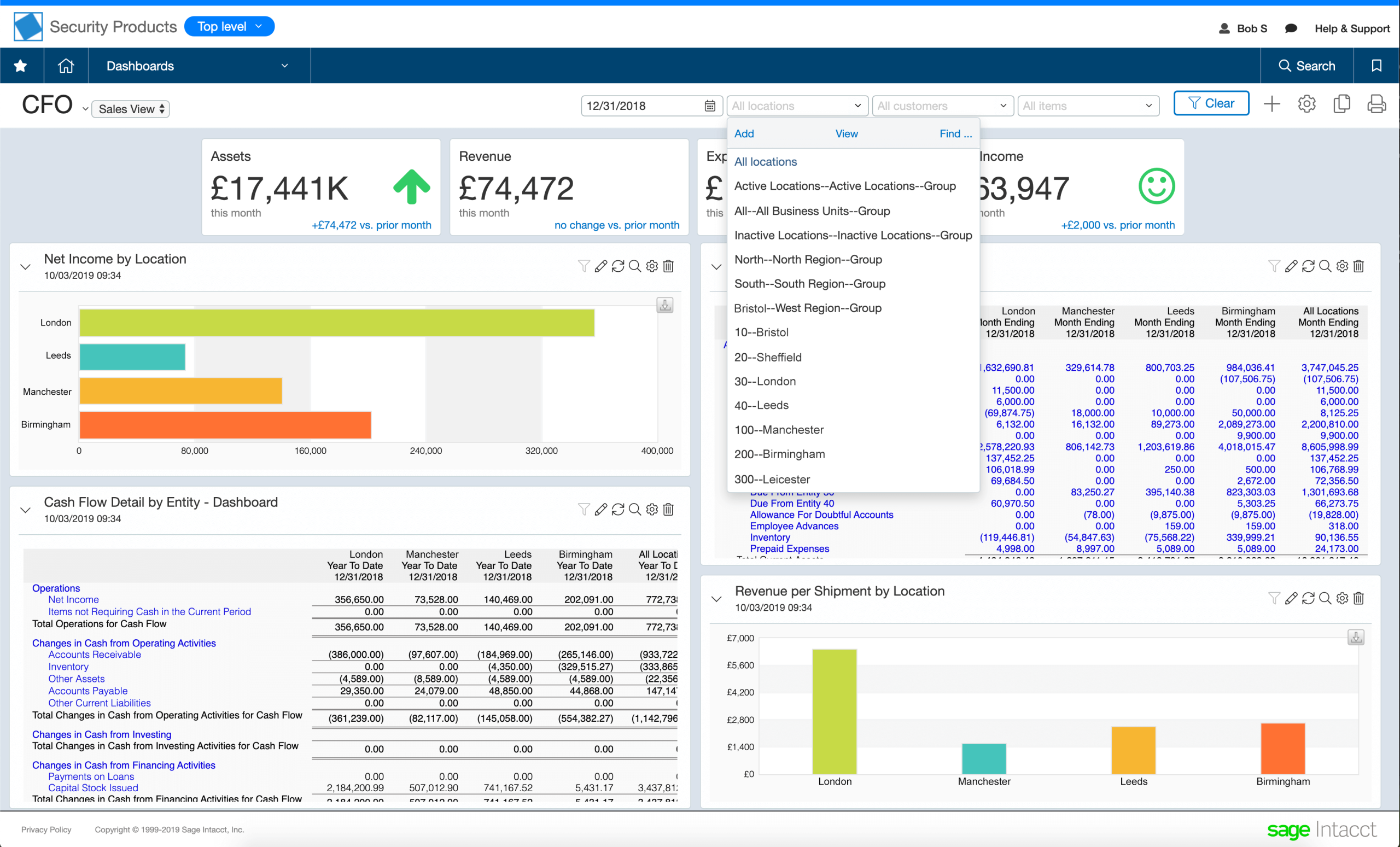
One of the key aspects of configuring Netsuite ERP system is setting up dashboards and reports for data analysis. Dashboards provide a visual representation of key performance indicators (KPIs) and metrics, allowing you to monitor the health of your business in real time. You can customize dashboards to display relevant data and insights that are important for decision-making.
Reports in Netsuite ERP system allow you to analyze and track key business metrics, performance trends, and financial data. You can generate standard reports or create custom reports to gain deeper insights into your business operations. Configuring dashboards and reports will help you make informed decisions and drive business growth.
5. Integrate with Third-Party Applications
Lastly, you can configure Netsuite ERP system to integrate with third-party applications for seamless data exchange and collaboration. Integration with other software systems such as CRM, e-commerce platforms, and marketing automation tools can enhance the functionality of Netsuite ERP system and improve overall productivity. Make sure to select compatible third-party applications and set up integration protocols to ensure smooth data flow between systems.
By following these steps to configure Netsuite ERP system, you can customize the system to meet your specific business needs and drive operational efficiency. Take the time to properly set up Netsuite ERP system to maximize its benefits and improve the overall performance of your organization.
Best Practices for Successful Netsuite ERP Implementation
Implementation of Netsuite ERP can be a complex process that requires careful planning and execution. To ensure a successful implementation, there are several best practices that organizations should follow:
1. Define clear goals and objectives
Before starting the implementation process, it is important to have a clear understanding of what the organization hopes to achieve with the Netsuite ERP system. This includes defining specific goals, objectives, and success metrics. By clearly defining these before implementation begins, organizations can ensure that the project stays on track and delivers the desired results.
2. Allocate appropriate resources
Implementing Netsuite ERP requires a significant investment of time, money, and resources. It is important to allocate the appropriate resources to the project to ensure its success. This includes assigning a dedicated project team, providing training for employees, and working closely with Netsuite consultants or partners throughout the implementation process.
3. Customize the system to fit your needs
One of the key benefits of Netsuite ERP is its flexibility and ability to be customized to fit the specific needs of an organization. When implementing the system, it is important to take the time to customize it to match the organization’s unique processes and workflows. This may include customizing fields, workflows, and reports to ensure that the system meets the organization’s requirements.
4. Provide thorough training and support
Successful implementation of Netsuite ERP relies heavily on the knowledge and skills of the users. To ensure a successful implementation, organizations should provide thorough training and support for employees who will be using the system. This may include providing training sessions, creating user guides, and offering ongoing support to address any issues that may arise during the implementation process.
5. Conduct regular testing and quality assurance
One of the most important best practices for successful Netsuite ERP implementation is to conduct regular testing and quality assurance throughout the process. This includes testing the system for bugs, errors, and compatibility issues, as well as ensuring that it meets the organization’s requirements and objectives. By conducting regular testing and quality assurance, organizations can identify and address any issues before they escalate, helping to ensure a smooth and successful implementation.
Originally posted 2026-03-31 17:38:34.