Welcome, curious reader! Have you been pondering the value of investing in Sage ERP for your business? Well, you’re in luck because we’re here to explore whether Sage ERP is worth the time and money. With its reputation for streamlining operations and improving efficiency, many businesses are considering making the switch. Let’s dive in and uncover whether Sage ERP is the right fit for your company.
What is Sage ERP?
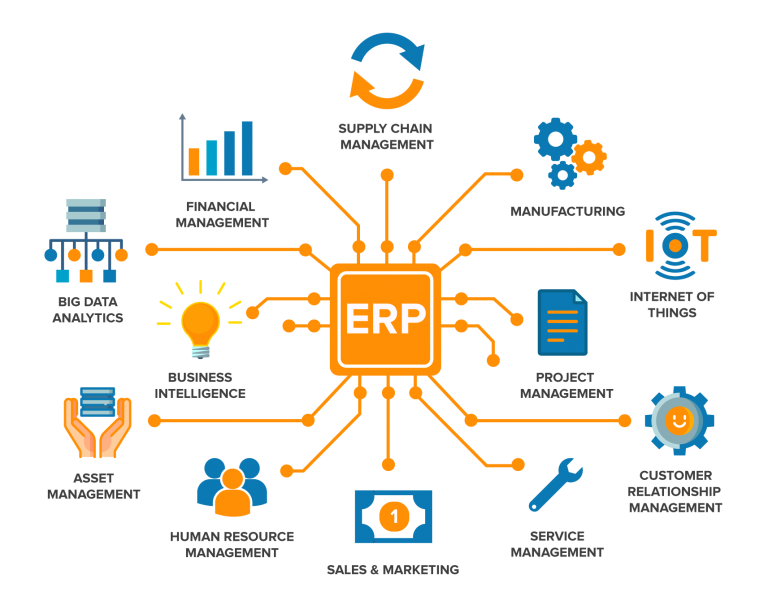
Sage ERP (Enterprise Resource Planning) is a software solution that helps businesses manage their entire operation in one platform. It provides tools for accounting, inventory management, order processing, human resources, and customer relationship management. In simpler terms, Sage ERP acts as the backbone of a company, streamlining processes and increasing efficiency.
One of the key features of Sage ERP is its ability to integrate different departments within a company. This means that data can be easily shared between departments, reducing the need for manual data entry and minimizing errors. For example, when an order is placed, the information is automatically updated in the inventory system, alerting the production department to start manufacturing the product.
Another important aspect of Sage ERP is its reporting capabilities. The software can generate real-time reports on various aspects of the business, such as sales performance, inventory levels, and financial data. These reports help managers make informed decisions quickly, leading to better outcomes for the company.
Sage ERP also offers customization options to fit the unique needs of each business. The software can be tailored to specific industries, such as manufacturing, distribution, or services. Additionally, companies can choose add-on modules to enhance the functionality of their ERP system, such as advanced forecasting tools or e-commerce integration.
Furthermore, Sage ERP is designed to be user-friendly, with a simple interface that makes it easy for employees at all levels to use. Training programs are available to help employees learn how to use the software effectively, minimizing downtime during the implementation process.
In conclusion, Sage ERP is a powerful tool for businesses looking to streamline their operations and improve productivity. By integrating different departments, providing real-time reporting, offering customization options, and being user-friendly, Sage ERP helps companies stay ahead of the competition and achieve their goals.
Key Features of Sage ERP
Sage ERP is a powerful business management solution that offers a wide range of key features to help businesses streamline their operations, improve efficiency, and drive growth. Below are some of the key features of Sage ERP:
1. Financial Management: Sage ERP provides comprehensive financial management capabilities, including general ledger, accounts payable, accounts receivable, cash management, and financial reporting. With Sage ERP, businesses can easily track and manage their financial transactions, automate their accounting processes, and generate accurate financial reports.
2. Inventory Management: One of the key features of Sage ERP is its advanced inventory management capabilities. With Sage ERP, businesses can efficiently track their inventory levels, manage their stock movements, and optimize their inventory replenishment process. The system allows businesses to set up reorder points, track stock levels in real-time, and generate detailed inventory reports.
3. Manufacturing Management: Sage ERP also offers robust manufacturing management features to help businesses optimize their production processes, improve product quality, and reduce costs. The system supports bill of materials (BOM) management, production scheduling, work order management, and quality control. With Sage ERP, businesses can streamline their manufacturing operations and achieve greater efficiency.
4. Sales and Customer Relationship Management: Sage ERP includes powerful sales and customer relationship management (CRM) features to help businesses manage their sales pipeline, track customer interactions, and enhance customer satisfaction. The system enables businesses to automate their sales processes, forecast sales revenue, and analyze customer data to identify opportunities for growth.
5. Human Resources and Payroll Management: Sage ERP also offers comprehensive human resources and payroll management features to help businesses manage their workforce effectively. The system supports employee records management, payroll processing, benefits administration, and compliance tracking. With Sage ERP, businesses can streamline their HR and payroll processes, ensure accuracy and compliance, and improve employee satisfaction.
6. Reporting and Analytics: Another key feature of Sage ERP is its robust reporting and analytics capabilities. The system provides businesses with real-time visibility into their performance metrics, enabling them to make informed decisions and drive business growth. Sage ERP offers a wide range of built-in reports and dashboards, as well as customization options to meet specific business requirements.
In conclusion, Sage ERP is a comprehensive business management solution that offers a wide range of key features to help businesses streamline their operations, improve efficiency, and drive growth. From financial management and inventory control to manufacturing management and sales CRM, Sage ERP provides businesses with the tools they need to succeed in today’s competitive business environment.
Benefits of Using Sage ERP
Sage ERP, or Enterprise Resource Planning, is a comprehensive software system that helps businesses manage their resources, streamline processes, and improve overall efficiency. There are several key benefits to using Sage ERP in your business operations.
1. Improved Efficiency: One of the main benefits of using Sage ERP is the ability to streamline your business processes and eliminate redundant tasks. By automating manual processes and integrating all aspects of your business into one system, you can improve efficiency and productivity across your organization. This can lead to cost savings and increased profitability in the long run.
2. Enhanced Decision Making: Sage ERP provides real-time data and insights into all aspects of your business operations. With accurate and up-to-date information at your fingertips, you can make better-informed decisions quickly and efficiently. This can help you stay ahead of the competition and adapt to market changes more effectively.
3. Customization and Scalability: One of the key benefits of using Sage ERP is the ability to customize the system to suit your specific business needs. Whether you are a small start-up or a large enterprise, Sage ERP can be tailored to fit your requirements and scale with your business as it grows. This level of customization ensures that you are always using a system that meets your unique needs and helps you achieve your business goals.
Additionally, Sage ERP offers a wide range of modules and features that can be added or removed as needed, allowing you to adapt the system to changes in your business environment. This flexibility makes Sage ERP a valuable investment for businesses looking to future-proof their operations and ensure long-term success.
In conclusion, the benefits of using Sage ERP in your business are clear. From improved efficiency and enhanced decision-making capabilities to customization and scalability, Sage ERP offers a comprehensive solution for managing all aspects of your business operations. By investing in a system that can grow and evolve with your business, you can ensure that you are well-equipped to meet the challenges of today’s competitive market and achieve long-term success.
Industries That Can Benefit from Sage ERP
Sage ERP is a versatile software solution that can benefit a wide range of industries. Here are some examples of industries that can greatly benefit from implementing Sage ERP:
1. Manufacturing
The manufacturing industry can benefit from Sage ERP by streamlining processes, improving inventory management, and enhancing production planning. With real-time data insights, manufacturers can optimize their operations, reduce costs, and improve overall efficiency.
2. Retail
Retail businesses can benefit from Sage ERP by improving inventory control, managing customer data, and enhancing sales forecasting. With features like point-of-sale integration and mobile access, retailers can streamline their operations and provide better customer service.
3. Hospitality
The hospitality industry can benefit from Sage ERP by automating reservations, managing guest information, and improving staff scheduling. With features like integrated payment processing and reporting tools, hotels and restaurants can improve their operational efficiency and enhance the guest experience.
4. Healthcare
The healthcare industry can benefit from Sage ERP in several ways. With features like electronic health records (EHR) integration, appointment scheduling, and billing management, healthcare providers can improve patient care, streamline administrative processes, and ensure compliance with regulatory requirements. Additionally, Sage ERP can help healthcare organizations optimize their revenue cycle management and improve financial performance.
How to Implement Sage ERP successfully
Implementing a new ERP system can be a daunting task for any organization. However, with careful planning and execution, the process can be smooth and successful. Here are some key steps to ensure a successful implementation of Sage ERP:
1. Define your goals and objectives: Before beginning the implementation process, it is crucial to clearly define the goals and objectives you want to achieve with Sage ERP. This will help you stay focused and on track throughout the implementation process.
2. Assemble a strong project team: Implementing Sage ERP is not a one-person job. It is essential to assemble a strong project team consisting of members from different departments within your organization. This team will be responsible for overseeing the implementation process and ensuring that it meets the needs of all stakeholders.
3. Conduct a thorough analysis of your current business processes: Before implementing Sage ERP, it is important to conduct a thorough analysis of your current business processes. This will help you identify areas that need improvement and ensure that the new system is customized to meet the specific needs of your organization.
4. Develop a detailed implementation plan: Once you have defined your goals, assembled your project team, and analyzed your current business processes, it is time to develop a detailed implementation plan. This plan should outline the steps that need to be taken, the resources required, and the timeline for completion.
5. Provide adequate training and support: One of the most crucial aspects of a successful ERP implementation is providing adequate training and support to end-users. This includes training sessions, user manuals, and ongoing support to ensure that employees feel comfortable using the new system. Additionally, having a dedicated support team in place will help address any issues that may arise during the implementation process.
By following these key steps and putting in the necessary time and effort, you can successfully implement Sage ERP in your organization. Remember, a successful ERP implementation is not just about the technology – it is about how well it meets the needs of your organization and its users.
Originally posted 2026-03-29 12:39:14.