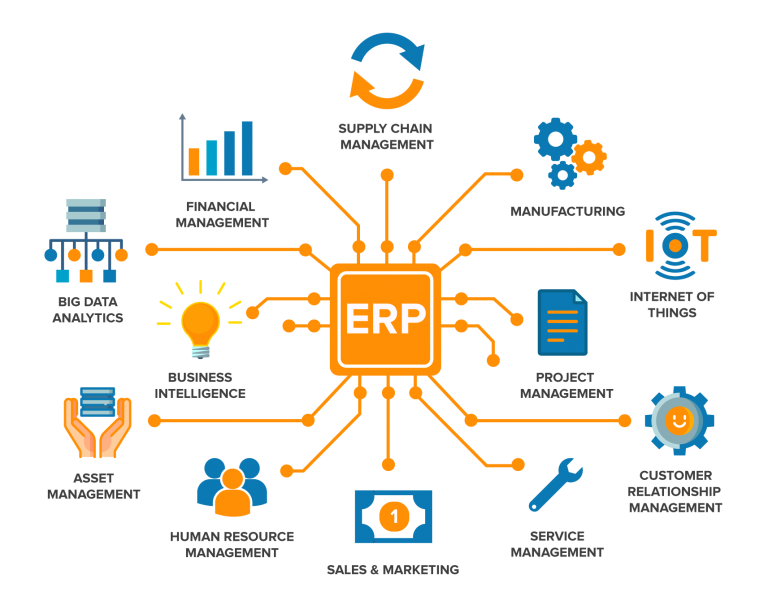
Welcome, dear reader, to an exploration of the powerful impact of Enterprise Resource Planning (ERP) systems in modern business operations, with a special focus on Netsuite. ERP systems like Netsuite have revolutionized the way businesses operate by streamlining processes, improving efficiency, and providing valuable insights for decision-making. This article will delve into the key features and benefits of Netsuite, shedding light on how it can transform your business operations for the better.
Introduction to ERP Netsuite
ERP Netsuite is a cloud-based software solution that helps businesses manage their key processes such as financials, supply chain, inventory, procurement, and human resources. It provides a single, unified platform that integrates these functions to streamline operations and improve overall efficiency. Netsuite allows companies to access real-time data and insights, enabling better decision-making and facilitating growth.
One of the key benefits of Netsuite is its scalability, making it suitable for businesses of all sizes. Whether you are a small startup looking to accelerate growth or a large enterprise seeking to streamline processes, Netsuite can be customized to fit your specific needs. With its modular design, you can choose the functionality that is most relevant to your business and add or remove features as your company evolves.
Another advantage of Netsuite is its ease of implementation. As a cloud-based solution, there is no need for expensive hardware or lengthy installation processes. You can simply access Netsuite through a web browser, making it convenient for remote work and collaboration. Updates and maintenance are handled by Netsuite, ensuring that you always have access to the latest features and improvements.
Netsuite also offers robust security features to protect your data and ensure compliance with industry regulations. With built-in controls and encryption measures, you can rest assured that your sensitive information is safe from unauthorized access. This is especially important for businesses that handle confidential data or operate in highly regulated industries.
Furthermore, Netsuite provides valuable insights through its reporting and analytics tools. You can generate customizable reports and dashboards to track performance, monitor key metrics, and identify areas for improvement. By having a complete view of your business operations, you can make informed decisions and drive growth more effectively.
In conclusion, ERP Netsuite is a comprehensive solution that can elevate your business to the next level. With its scalability, ease of implementation, security features, and analytics capabilities, Netsuite empowers organizations to optimize processes, improve productivity, and drive innovation. Whether you are a small startup or a large enterprise, Netsuite can help you achieve your business goals and stay ahead in today’s competitive market.
Key Features and Benefits of ERP Netsuite
ERP Netsuite is a comprehensive software solution that offers a wide range of key features and benefits to businesses of all sizes. From financial management to inventory control, ERP Netsuite provides a one-stop solution for all your business needs.
One of the key features of ERP Netsuite is its robust financial management module. With this module, you can easily track your company’s financials, manage budgets, and generate financial reports with just a few clicks. This module also allows you to automate key financial processes, such as billing, invoicing, and revenue recognition, saving you time and reducing the risk of errors.
Another key feature of ERP Netsuite is its powerful inventory management capabilities. With Netsuite, you can easily track your inventory levels, monitor stock movements, and streamline your supply chain processes. This means you can avoid stockouts, reduce excess inventory, and improve your overall inventory turnover rate.
ERP Netsuite also offers advanced CRM functionality, allowing you to seamlessly manage your customer relationships and track sales opportunities. With the CRM module, you can easily track customer interactions, manage sales pipelines, and generate reports on your sales performance. This allows you to better understand your customers’ needs and preferences, leading to improved customer satisfaction and loyalty.
In addition to these key features, ERP Netsuite offers a range of benefits to businesses. One of the main benefits of Netsuite is its cloud-based architecture, which allows you to access your business data anytime, anywhere. This means you can make informed business decisions on the go, without being tied to a specific location.
Furthermore, ERP Netsuite is highly customizable, allowing you to tailor the software to meet the specific needs of your business. Whether you’re a small startup or a large enterprise, Netsuite can be easily configured to support your unique business processes and workflows.
Overall, ERP Netsuite is a powerful software solution that can help streamline your business operations, improve efficiency, and drive growth. With its key features and benefits, Netsuite is a valuable tool for businesses looking to stay ahead of the competition and achieve their goals.
Implementation Process of ERP Netsuite
Implementing ERP Netsuite can be a complex process that requires careful planning and execution. The implementation process generally consists of several key steps that need to be followed to ensure a successful deployment of the ERP system.
The first step in the implementation process is conducting a thorough assessment of the organization’s current systems and processes. This step involves identifying the specific requirements and goals that the ERP system needs to address. It is important to involve key stakeholders from different departments to ensure that all relevant aspects of the business are considered during the assessment phase.
After the assessment phase, the next step is to develop a detailed implementation plan. This plan should outline the timeline, budget, and resources required for the implementation process. It should also include a detailed project schedule with milestones and deadlines to track progress and ensure that the project stays on track.
One of the most critical steps in the implementation process is configuring the ERP system to meet the organization’s specific needs. This involves customizing the system settings, workflows, and modules to align with the business processes and requirements. The customization process may involve working closely with ERP Netsuite consultants or developers to make specific adjustments to the system.
Once the system has been configured, the next step is data migration. This involves transferring existing data from the organization’s legacy systems to the new ERP system. Data migration can be a complex process that requires careful planning and coordination to ensure that all data is accurately transferred and that there are no disruptions to the business operations.
After data migration, the next step is testing the ERP system to ensure that it is functioning correctly and meeting the organization’s business requirements. This may involve testing different scenarios, conducting user acceptance testing, and identifying any issues or bugs that need to be addressed before the system goes live.
Training is also an essential part of the implementation process. Once the system has been tested and validated, it is crucial to train end-users on how to use the system effectively. This may involve conducting training sessions, providing documentation and resources, and offering ongoing support to users as they familiarize themselves with the new ERP system.
Finally, the last step in the implementation process is going live with the ERP system. This involves transitioning from the old systems to the new ERP system and officially launching the system for daily operations. It is important to monitor the system closely during the go-live phase to address any issues or concerns that may arise and ensure a smooth transition for the organization.
In conclusion, the implementation process of ERP Netsuite is a multifaceted and complex undertaking that requires careful planning, coordination, and execution. By following the key steps outlined above and working closely with ERP Netsuite consultants or developers, organizations can successfully deploy the ERP system and realize the benefits of improved efficiency, visibility, and control over their business processes.
CUSTOMIZATION AND INTEGRATION OPTIONS IN ERP NETSUITE
When it comes to ERP Netsuite, customization and integration options play a crucial role in tailoring the software to fit the specific needs of a business. Customization allows businesses to modify the system to better align with their unique processes and requirements, while integration options enable seamless connectivity with other software applications. Let’s take a closer look at the various customization and integration options available in ERP Netsuite.
Customization Options:
1. Custom Fields: ERP Netsuite allows users to create custom fields to capture unique data points that are not included in the standard system. These custom fields can be added to forms, records, and reports, providing users with the ability to track and analyze data that is specific to their business needs.
2. Custom Workflows: With custom workflows, businesses can automate their unique processes within ERP Netsuite. Users can define specific triggers, conditions, and actions to streamline tasks and improve efficiency. Custom workflows can help automate approval processes, notification alerts, and data validation, reducing manual errors and improving productivity.
3. Custom Reports and Dashboards: ERP Netsuite offers robust reporting and dashboard capabilities, allowing users to create custom reports and dashboards to visualize key business metrics and KPIs. Businesses can tailor these reports to display the data that is most relevant to them, enabling informed decision-making and strategic planning.
4. Custom Forms and Templates: Another customization option in ERP Netsuite is the ability to create custom forms and templates. Businesses can design personalized forms for capturing data, such as sales orders, invoices, and purchase orders. Custom templates can also be used to generate professional-looking documents, such as quotes, contracts, and statements, that reflect the branding and style of the organization.
5. SuiteScript Development: For more advanced customization requirements, ERP Netsuite offers SuiteScript, a JavaScript-based scripting language that allows users to create custom scripts and applications. SuiteScript can be used to extend the functionality of the system, automate complex business processes, and integrate with external systems and services.
Integration Options:
1. SuiteTalk API: ERP Netsuite provides a robust set of APIs, known as SuiteTalk, that allow for seamless integration with external systems and applications. With SuiteTalk API, businesses can synchronize data, automate processes, and exchange information between ERP Netsuite and other software solutions, such as CRM systems, e-commerce platforms, and third-party applications.
2. SuiteFlow Integration: SuiteFlow is a visual workflow tool in ERP Netsuite that enables users to create custom workflows and automations. Businesses can leverage SuiteFlow to integrate with external systems, trigger actions based on specified conditions, and streamline processes across different departments and functions.
3. SuiteCloud Platform: ERP Netsuite’s SuiteCloud platform offers a range of tools and resources for building and deploying custom solutions and integrations. Businesses can develop SuiteApps, customizations, and extensions using SuiteCloud development tools, such as SuiteBuilder, SuiteScript, and SuiteFlow, to meet their unique business requirements.
4. Third-Party Integration Tools: In addition to the native integration options in ERP Netsuite, businesses can also leverage third-party integration tools and connectors to expand the system’s capabilities. There are a variety of integration platforms available that enable seamless connectivity with popular software applications, databases, and services, allowing businesses to enhance the functionality of ERP Netsuite and optimize their workflows.
In conclusion, customization and integration options in ERP Netsuite empower businesses to tailor the system to fit their specific needs and seamlessly connect with other software applications. By leveraging these customization and integration capabilities, businesses can optimize their processes, improve efficiency, and drive growth and innovation.
Success Stories of Companies Using ERP Netsuite
ERP Netsuite has been a game-changer for many companies across various industries. Its comprehensive features and user-friendly interface have helped businesses streamline their operations and increase efficiency. Here are some success stories of companies that have implemented ERP Netsuite:
1. Company A, a manufacturing company, was struggling to keep track of its inventory and production processes. After implementing ERP Netsuite, they were able to automate their inventory management, forecast demand accurately, and optimize their production line. This resulted in a significant reduction in production costs and an increase in overall efficiency.
2. Company B, a retail business, was facing challenges in managing their multiple sales channels and inventory across various locations. With ERP Netsuite, they were able to centralize their sales and inventory data, track customer orders in real-time, and easily manage their supply chain. This not only improved their customer service but also increased their sales revenue.
3. Company C, a service-based company, was struggling with manual processes and outdated systems that were slowing down their project delivery. After implementing ERP Netsuite, they were able to automate their project management, track billable hours more accurately, and improve their resource allocation. As a result, they were able to deliver projects on time and within budget, leading to higher client satisfaction.
4. Company D, a food distribution company, was facing challenges in managing their complex supply chain and meeting strict compliance regulations. With ERP Netsuite, they were able to streamline their procurement processes, track their inventory in real-time, and ensure compliance with food safety regulations. This led to reduced lead times, improved traceability of their products, and ultimately increased customer trust in their brand.
5. Company E, a global e-commerce company, was looking for a solution to manage their fast-growing business and scale their operations efficiently. They chose ERP Netsuite for its cloud-based platform, scalability, and flexibility. With ERP Netsuite, they were able to easily expand into new markets, manage their international sales channels, and customize their workflows to align with their business needs. This resulted in a 30% increase in sales revenue within the first year of implementing ERP Netsuite.
Originally posted 2026-03-30 22:11:33.