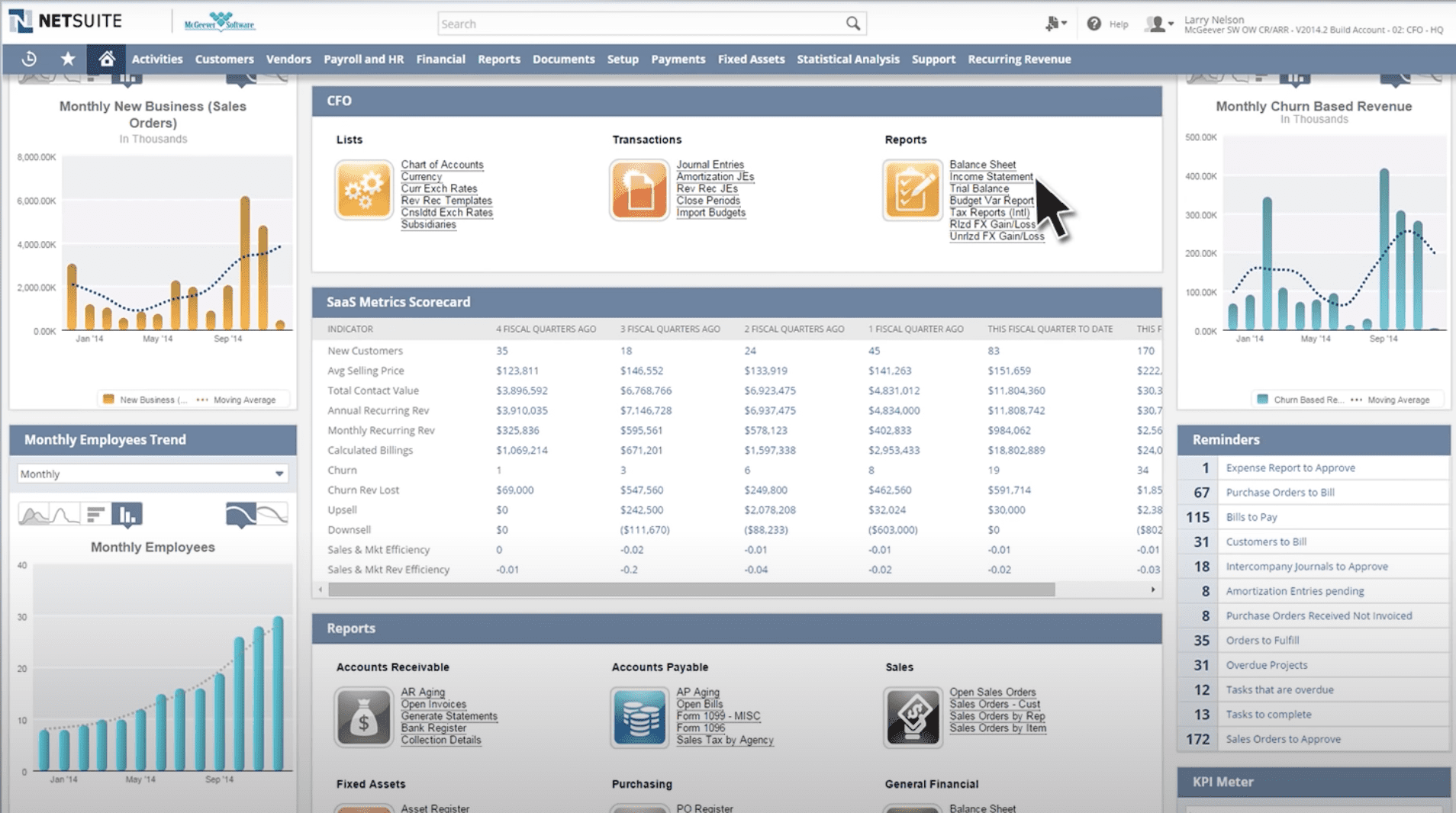
Welcome to the world of Enterprise Resource Planning (ERP) with Netsuite System! In today’s fast-paced business environment, companies are constantly looking for ways to streamline their operations and increase efficiency. ERP Netsuite System offers a comprehensive solution that integrates various functions such as finance, human resources, inventory management, and customer relationship management into one unified platform. With its cloud-based technology, businesses can access real-time data and make informed decisions to drive growth and profitability. Let’s delve into the benefits of ERP Netsuite System and see how it can revolutionize your business operations.
Understanding the Benefits of ERP Netsuite
ERP Netsuite is a powerful software solution that integrates various business functions into one comprehensive system. It offers a wide range of benefits that can help streamline operations, improve efficiency, and drive growth for businesses of all sizes. Let’s dive deeper into some of the key benefits of ERP Netsuite.
First and foremost, ERP Netsuite provides real-time visibility into all aspects of your business. This means that you can access up-to-date information on sales, inventory, finances, and more with just a few clicks. Having this level of visibility allows you to make informed decisions quickly, leading to better outcomes for your business.
Another major benefit of ERP Netsuite is its ability to automate repetitive tasks and streamline processes. This can help reduce manual errors, save time, and improve overall productivity. For example, with ERP Netsuite, you can automate order processing, billing, and other routine tasks, freeing up your team to focus on more strategic activities.
Additionally, ERP Netsuite offers scalability, which is crucial for growing businesses. As your company expands, you can easily add new users, locations, and functionality to your ERP system. This flexibility ensures that your software can grow with your business and adapt to changing needs over time.
Furthermore, ERP Netsuite provides a centralized platform for all your business data, eliminating the need for multiple systems and data silos. This not only simplifies IT management but also ensures data consistency and accuracy across the organization. With all your data in one place, you can avoid duplication, improve data integrity, and make better-informed decisions.
One of the standout features of ERP Netsuite is its robust reporting and analytics capabilities. With built-in business intelligence tools, you can generate detailed reports, dashboards, and KPIs to track performance, identify trends, and uncover insights. This data-driven approach empowers you to optimize processes, reduce costs, and drive strategic growth.
Lastly, ERP Netsuite offers enhanced security features to protect your sensitive business information. With built-in security protocols, encryption, and access controls, you can safeguard your data against cyber threats and unauthorized access. This peace of mind allows you to focus on growing your business without worrying about potential data breaches.
In conclusion, ERP Netsuite offers a wealth of benefits for businesses seeking to improve efficiency, drive growth, and stay competitive in today’s fast-paced market. From real-time visibility and automation to scalability and enhanced security, ERP Netsuite is a comprehensive solution that can help take your business to the next level.
How ERP Netsuite Improves Business Efficiency
ERP Netsuite is a powerful software tool that can greatly enhance the efficiency of a business in a number of ways. One of the main ways that ERP Netsuite improves business efficiency is through automation. By streamlining and automating processes such as financial management, inventory management, and order processing, ERP Netsuite can help businesses reduce the amount of time and resources needed to complete these tasks. This not only saves time and money for the business, but also allows employees to focus on more strategic tasks that can help drive growth and innovation.
Another key benefit of ERP Netsuite is that it provides real-time visibility into business operations. By consolidating data from various departments and providing a single source of truth for all business data, ERP Netsuite enables businesses to make more informed decisions based on up-to-date information. This can help businesses react more quickly to changing market conditions, identify opportunities for growth, and avoid potential risks.
Furthermore, ERP Netsuite helps improve collaboration and communication within a business. By providing a central hub for all business data and processes, ERP Netsuite can facilitate better communication between departments, teams, and employees. This can help break down silos within an organization and encourage collaboration across different functions, leading to improved teamwork and productivity.
Additionally, ERP Netsuite can help businesses scale and grow more efficiently. As a business expands, it can become increasingly challenging to manage operations, finances, and resources. ERP Netsuite provides the tools and capabilities needed to support growth, such as the ability to easily add new users, integrate with other systems, and customize workflows to meet the unique needs of the business. This can help businesses adapt to changing market conditions, enter new markets, and take advantage of opportunities for expansion.
Overall, ERP Netsuite plays a crucial role in improving business efficiency by automating processes, providing real-time visibility into operations, enhancing collaboration and communication, and supporting growth and scalability. By leveraging the capabilities of ERP Netsuite, businesses can streamline their operations, make faster and more informed decisions, and ultimately drive success and profitability.
Key Features of ERP Netsuite Platform
ERP Netsuite is a comprehensive platform that offers a wide range of features to help businesses streamline their operations and improve efficiency. Some of the key features of ERP Netsuite include:
1. Financial Management: ERP Netsuite provides robust financial management capabilities, allowing businesses to manage their finances with ease. From tracking expenses and revenue to managing budgets and cash flow, ERP Netsuite offers all the tools businesses need to stay on top of their finances.
2. Inventory Management: Another key feature of ERP Netsuite is its inventory management functionality. Businesses can easily track inventory levels, manage orders, and streamline their supply chain operations. With real-time visibility into inventory data, businesses can make informed decisions and avoid stockouts or overstock situations.
3. Customer Relationship Management (CRM): In addition to financial and inventory management, ERP Netsuite also offers robust CRM capabilities. Businesses can track customer interactions, manage leads and contacts, and generate reports to analyze customer data. With ERP Netsuite’s CRM module, businesses can improve customer satisfaction, drive sales, and strengthen relationships with customers.
ERP Netsuite’s CRM module also offers marketing automation features, allowing businesses to create targeted marketing campaigns, track customer engagement, and measure campaign performance. By automating repetitive marketing tasks, businesses can save time and resources while improving the effectiveness of their marketing efforts.
Furthermore, ERP Netsuite’s CRM module integrates seamlessly with other modules such as financial management and inventory management, providing businesses with a holistic view of their operations. This integration allows businesses to leverage customer data to make informed decisions across all areas of their business.
Overall, ERP Netsuite’s CRM capabilities play a crucial role in helping businesses improve customer relationships, drive sales, and boost profitability. By leveraging CRM data, businesses can personalize their interactions with customers, identify new sales opportunities, and ultimately, increase customer loyalty.
Implementing ERP Netsuite: Best Practices
Implementing an ERP system like Netsuite can be a complex and time-consuming process, but with the right approach, it can also be incredibly rewarding. Here are some best practices to keep in mind when implementing ERP Netsuite:
1. Set Clear Goals and Objectives: Before starting the implementation process, it is crucial to define clear goals and objectives for your organization. This will help you stay focused and ensure that the ERP system is aligned with your overall business strategy.
2. Get Buy-In From Key Stakeholders: In order for the ERP implementation to be successful, it is essential to get buy-in from key stakeholders across your organization. This includes executives, department heads, and end-users who will be directly impacted by the new system.
3. Invest in Training and Change Management: Training and change management are critical components of a successful ERP implementation. Make sure to invest in thorough training for your employees, as well as change management strategies to help them adjust to the new system.
4. Customize to Fit Your Business Needs: One of the key benefits of ERP Netsuite is its flexibility and ability to be customized to fit your unique business needs. Take advantage of this by working closely with your implementation team to tailor the system to your specific requirements.
When customizing ERP Netsuite, consider factors such as your industry, business processes, and future growth plans. Make sure to involve key users in the customization process to ensure that the system meets their needs and is user-friendly.
Additionally, it is important to strike a balance between customization and out-of-the-box functionality. While customization can enhance the system’s capabilities, excessive customization can lead to increased costs, complexity, and potential maintenance issues down the road.
By customizing ERP Netsuite to fit your business needs, you can maximize the benefits of the system and improve overall efficiency and productivity within your organization.
Overcoming Challenges when Adopting ERP Netsuite
Implementing ERP Netsuite can bring significant benefits to a business, such as streamlined processes, improved efficiency, and better decision-making capabilities. However, the adoption of ERP Netsuite can also come with its fair share of challenges that need to be addressed in order to ensure a successful implementation. Here are some common challenges that businesses face when adopting ERP Netsuite and how to overcome them:
1. Resistance to Change: One of the biggest challenges businesses face when implementing ERP Netsuite is resistance to change from employees. Switching to a new system can be daunting for some employees who may be comfortable with their existing processes. To overcome this challenge, it is important to involve employees in the decision-making process and provide adequate training and support to help them transition to the new system smoothly.
2. Data Migration Issues: Another common challenge businesses face when adopting ERP Netsuite is data migration issues. Migrating data from existing systems to ERP Netsuite can be a complex and time-consuming process, leading to potential data loss or inaccuracies. To overcome this challenge, businesses should invest in data cleansing tools, conduct thorough testing, and work closely with their implementation partner to ensure a successful data migration.
3. Customization and Configuration Challenges: ERP Netsuite is a highly customizable platform, allowing businesses to tailor the system to their specific needs. However, this level of customization can also pose challenges during implementation. Businesses may struggle with configuring the system to meet their unique requirements or may face issues with integrating third-party applications. To overcome these challenges, businesses should work closely with their implementation partner to define their customization needs and develop a clear implementation plan.
4. Resource Constraints: Implementing ERP Netsuite requires a significant investment of time, money, and resources. Many businesses struggle with resource constraints, such as limited budget, lack of skilled staff, or competing priorities. To overcome this challenge, businesses should allocate sufficient resources to the implementation project, prioritize key activities, and consider outsourcing certain tasks to third-party experts.
5. Change Management and Training: Effective change management is crucial for the successful adoption of ERP Netsuite. Businesses need to communicate the reasons for implementing the new system, involve employees in the process, and address any concerns or resistance proactively. Providing comprehensive training to employees is also essential to help them understand the new system and learn how to use it effectively. By investing in change management and training, businesses can ensure a smoother transition to ERP Netsuite and maximize the benefits of the system.
Originally posted 2026-03-30 08:25:49.